


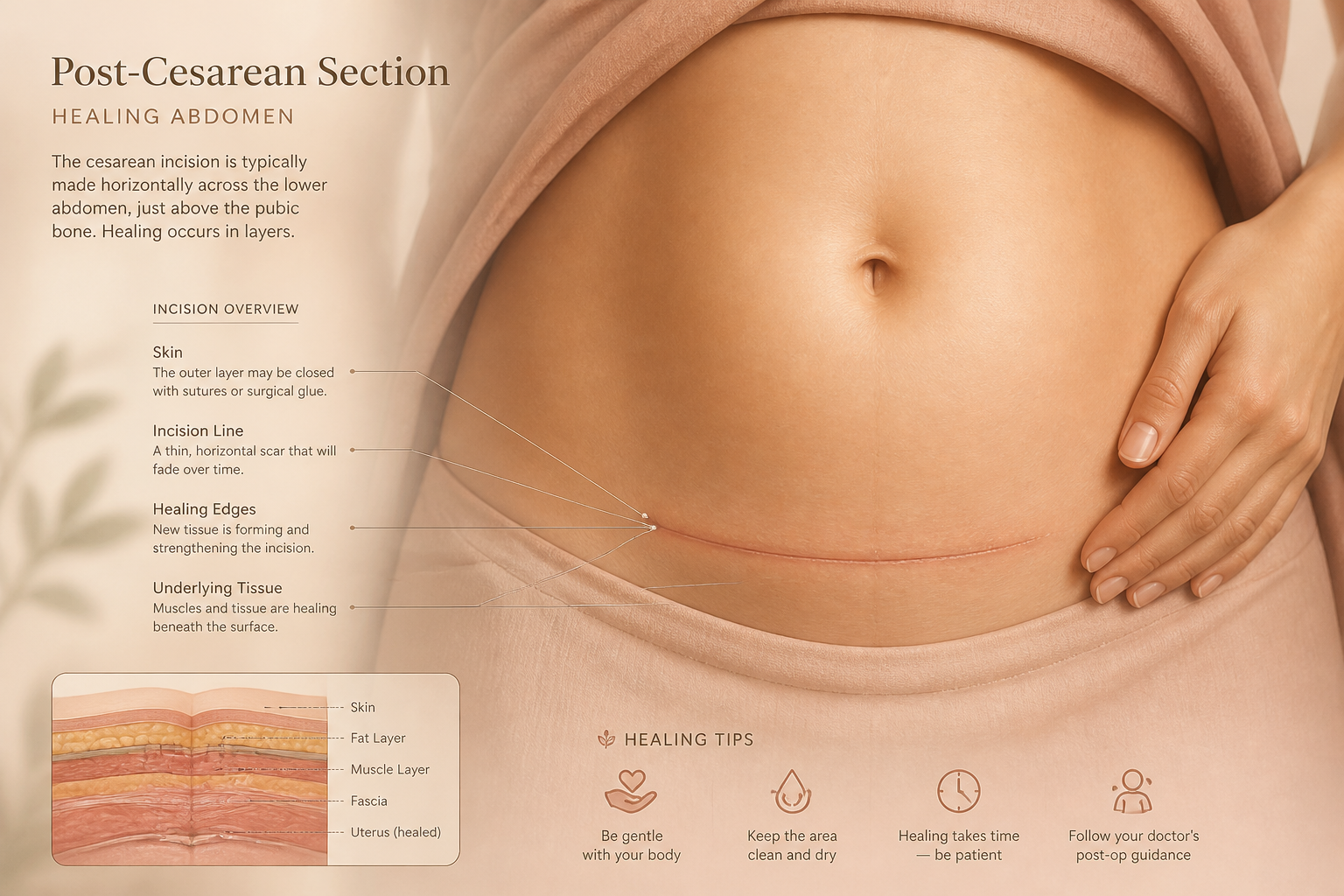
Twin C-Section Recovery: Essential Mobility, Wound Care & Pain Management Protocols
The moment your surgical dressing comes off 48 hours post-delivery, most twin mothers experience a jarring reality check. The incision stretches further than expected. Movement feels foreign. Your body carried two babies, underwent major abdominal surgery, and now faces a recovery timeline that textbooks don’t adequately prepare you for.
Twin cesarean deliveries present unique physiological challenges that extend far beyond singleton c-section experiences. Your uterus expanded to accommodate two growing fetuses, your abdominal muscles separated more extensively, and your recovery demands a specialized approach that acknowledges these fundamental differences. Understanding the complexities of high-risk twin delivery and recovery protocols becomes essential as you navigate this critical postpartum period.
Why Twin C-Section Recovery Differs From Singleton Deliveries
Twin pregnancies stretch abdominal muscles approximately 40% more than singleton pregnancies. This extended diastasis recti creates longer healing timeframes and requires modified mobility protocols. Your surgical incision also had to accommodate the delivery of two babies, often requiring extended operating time and more extensive tissue manipulation.
The physiological stress on your cardiovascular system during twin pregnancy means your body enters recovery already depleted. Your blood volume increased by 50% during pregnancy compared to 40% in singleton pregnancies, and the postpartum adjustment period reflects this difference.
Your twin c section recovery timeline follows a distinct pattern that differs significantly from standard cesarean protocols.
The Twin-Specific Recovery Timeline: What to Expect
Days 1-3: Immediate Post-Surgical Phase
Hospital protocols in 2026 emphasize early mobilization within 6-12 hours post-surgery. However, twin deliveries often require modified timelines. Your nursing team will assess your specific surgical complexity before encouraging movement.
Pain levels peak during this phase, requiring multimodal pain management approaches. Your medical team will likely implement patient-controlled analgesia (PCA) pumps for the first 24-48 hours, transitioning to oral medications as your digestive system resumes normal function.
Days 4-14: Early Home Recovery
This phase challenges most twin mothers. Your incision begins the inflammatory healing process while you’re simultaneously managing the care needs of two newborns. Sleep deprivation compounds physical recovery, creating a cycle that requires strategic intervention.
Mobility restrictions during this period aren’t just about incision healing. Your extensively stretched abdominal muscles lack the strength to support normal movement patterns, increasing your risk of compensatory injuries in your back and pelvis.
Weeks 3-8: Progressive Mobility Phase
Your twin c section recovery enters a critical transition period where premature activity resumption can cause significant setbacks. This phase requires careful balance between progressive movement and adequate rest.
Many twin mothers experience delayed healing during this timeframe due to the increased physical demands of caring for two infants. Sleep deprivation, nutritional depletion, and the physical demands of feeding two babies create a perfect storm for complicated recovery.
| Recovery Phase | Timeline | Mobility Guidelines | Pain Level (1-10) | Key Restrictions |
|---|---|---|---|---|
| Immediate Post-Op | Days 1-3 | Bed to chair, short hallway walks | 7-9 | No lifting >5 lbs, no stairs |
| Early Recovery | Days 4-14 | Gradual household movement | 5-7 | No lifting >10 lbs, limited stairs |
| Progressive Phase | Weeks 3-6 | Extended walking, light activities | 3-5 | No lifting >15 lbs, no exercise |
| Advanced Recovery | Weeks 7-12 | Normal activities, cleared exercise | 1-3 | Physician clearance required |
Advanced Incision Care for Twin Deliveries
Your incision care extends beyond basic wound cleaning. Twin deliveries often require longer surgical incisions or more complex closure techniques, demanding enhanced monitoring protocols.
The Modified Cleaning Protocol
Standard incision care recommendations don’t account for the extended healing timeframes common in twin c section recovery. Your incision site requires assessment for signs of delayed healing, which occurs in approximately 15% of twin cesarean deliveries compared to 7% in singleton deliveries.
Clean your incision site twice daily using sterile saline solution rather than soap and water for the first two weeks. The extended surgical time during twin deliveries increases tissue trauma, making gentle cleaning protocols essential.
When to Escalate Care
Contact your obstetric provider immediately if you notice:
– Separation of incision edges wider than 2mm
– Increased redness extending more than 1 inch from the incision line
– Fever above 100.4°F (38°C) accompanied by incision tenderness
– Purulent drainage with foul odor
These signs indicate potential complications that require immediate medical evaluation. Twin deliveries carry higher infection risks due to extended surgical time and the increased physiological stress on your immune system.
Multimodal Pain Management Strategies
Twin c section recovery demands sophisticated pain management approaches that account for your unique physiological state. Standard post-cesarean protocols often prove inadequate for the complex pain patterns associated with twin deliveries.
Pharmaceutical Interventions
Your pain management regimen should incorporate both scheduled and breakthrough medications. The inflammatory response following twin deliveries typically peaks later and lasts longer than singleton cesareans.
Non-steroidal anti-inflammatory drugs (NSAIDs) play a crucial role in managing the extended inflammatory phase. However, timing becomes critical if you’re breastfeeding twins, as drug metabolism changes significantly when producing milk for two infants.
Opioid medications require careful titration during twin c section recovery. Your sleep deprivation compounds the sedating effects, potentially impacting your ability to safely care for two newborns. Work with your provider to establish a medication schedule that balances pain relief with functional alertness.
Non-Pharmaceutical Approaches
Transcutaneous electrical nerve stimulation (TENS) units provide targeted relief for incision pain while allowing full mobility for infant care. Position electrode pads 2 inches above and below your incision line, avoiding direct placement over the healing tissue.
Cold therapy during the first 72 hours reduces inflammatory response and provides significant pain relief. Apply ice packs for 15-minute intervals every 2 hours, using a barrier cloth to protect your skin.
Heat therapy becomes beneficial after day 4, promoting circulation and reducing muscle spasm in your extensively stretched abdominal muscles. Heating pads set to low heat for 20-minute sessions can provide substantial relief.
Strategic Mobility Progression
Your mobility advancement requires systematic progression that acknowledges the unique challenges of twin c section recovery. Premature activity resumption represents the most common cause of recovery complications.
Week-by-Week Mobility Goals
Week 1: Focus on positional changes and short-distance walking. Your goal involves preventing blood clots while respecting tissue healing. Walk to your bathroom independently and manage short hallway distances.
Week 2: Expand walking distances to include light household navigation. Avoid stairs unless absolutely necessary, and never carry infants while climbing steps.
Week 3: Introduce brief outdoor walks of 5-10 minutes. Your cardiovascular deconditioning from extended bed rest requires gradual reconditioning.
Weeks 4-6: Progress to longer walking sessions of 15-20 minutes. Begin light household tasks that don’t require lifting or reaching above shoulder height.
Your abdominal muscles need 6-8 weeks to regain basic functional strength. Pushing this timeline risks diastasis recti complications that can persist for months.
Nutrition for Accelerated Healing
Twin c section recovery demands enhanced nutritional strategies that support surgical healing while meeting the increased demands of potentially breastfeeding two infants.
Protein Requirements
Your protein needs increase to 1.2-1.4 grams per kilogram of body weight during recovery. This represents a 30% increase over standard recommendations. Surgical healing consumes significant protein resources, and if you’re breastfeeding twins, your requirements increase further.
Focus on complete protein sources: lean meats, eggs, dairy products, and legume combinations. Protein timing matters as much as quantity—distribute intake across all meals and snacks to optimize utilization.
Micronutrient Priorities
Iron supplementation becomes crucial during twin c section recovery. Your blood loss during delivery, combined with the increased iron demands of producing milk for two infants, creates a perfect storm for iron deficiency anemia.
Vitamin C enhances iron absorption and supports collagen synthesis for incision healing. Consume iron-rich foods alongside citrus fruits, bell peppers, or strawberries to maximize absorption.
Zinc plays a critical role in wound healing and immune function. Twin mothers often enter the postpartum period with depleted zinc stores due to the increased fetal demands during pregnancy.
Managing Complications and Red Flags
Understanding when your twin c section recovery deviates from normal patterns can prevent serious complications. Twin deliveries carry inherently higher complication risks that require vigilant monitoring.
Infection Recognition
Surgical site infections occur in approximately 12% of twin cesarean deliveries compared to 6% in singleton deliveries. The extended surgical time and increased tissue manipulation contribute to this elevated risk.
Monitor your incision daily for subtle changes that might indicate developing infection. Early signs include slight warmth around the incision edges, minimal increase in redness, or change in discharge consistency.
Endometritis presents another significant risk during twin c section recovery. Watch for fever, abdominal tenderness beyond normal surgical discomfort, and foul-smelling vaginal discharge.
Blood Clot Prevention
Your risk of venous thromboembolism remains elevated for 6-8 weeks postpartum. Twin pregnancies create additional risk factors including increased blood viscosity and prolonged surgical time.
Maintain regular movement within your activity restrictions. Simple ankle circles and calf raises while seated or lying down promote circulation when walking isn’t possible.
Compression stockings provide measurable benefit during twin c section recovery. Wear graduated compression stockings (15-20 mmHg) for the first 4 weeks postpartum, especially during periods of prolonged sitting while feeding infants.
Twin Tactics: Pro-Level Shortcuts
– Set up multiple feeding stations throughout your home to minimize walking distances during early recovery. Stock each location with burp cloths, extra diapers, and water bottles to avoid unnecessary trips.
– Use a small rolling cart as your mobile command center for the first month. Load it with medications, phone charger, snacks, and baby supplies to eliminate lifting and carrying.
– Pre-portion medications in weekly pill organizers before delivery. Pain medications, stool softeners, and supplements become difficult to manage when caring for two newborns with limited mobility.
– Install battery-powered motion sensor lights in hallways and bathrooms. Navigating dark spaces while recovering from major surgery creates fall risks that standard recommendations overlook.
– Arrange for meal delivery for the first 6 weeks, not just the traditional first week. Twin c section recovery extends far beyond typical support timelines, and nutrition significantly impacts healing speed.
The Pediatrician’s Medical Survival Tip
Schedule your pain medications around infant feeding schedules, not just clock time. Take your scheduled pain medication 30 minutes before anticipated feeding sessions to maximize your comfort and mobility when you need it most. This proactive approach prevents pain from escalating and allows you to focus on your babies during critical bonding and feeding moments.
Stay healthy, Dr. Sarah