


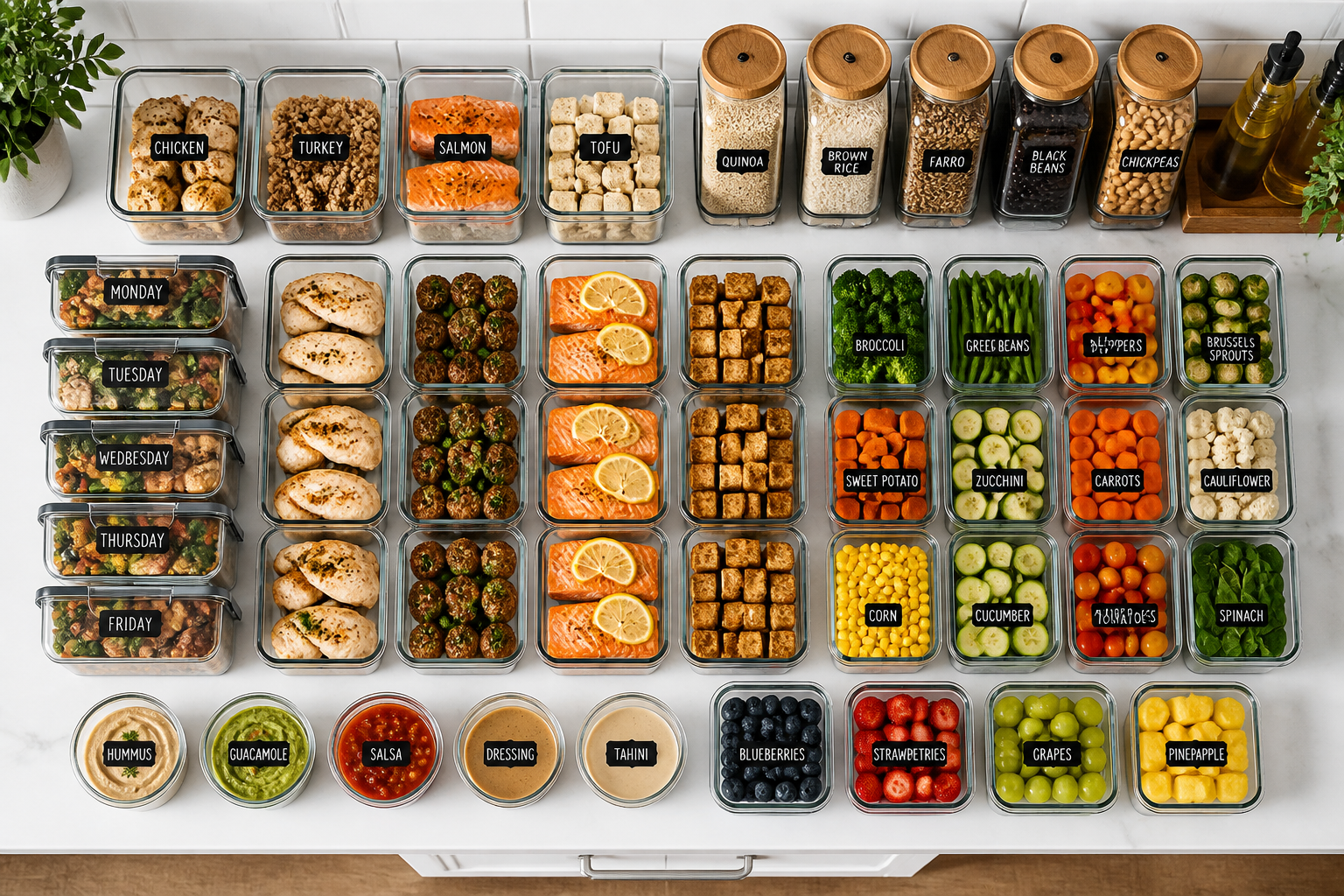
The Twin Meal Prep System: High-Yield Batch Cooking for Double Appetites
Sunday afternoon, 3 PM: while other parents are scrambling through grocery store aisles, you’re already portioning Tuesday’s dinner into color-coded containers. Your twins will devour 42 meals this week, but you’ve cracked the code on twin household management through strategic meal prepping for twins. No more 6 PM panic. No more cereal-for-dinner nights.
The math is brutal but manageable. Two toddlers consume roughly 3x more meals than a singleton when you factor in different eating phases, food preferences, and the inevitable “I don’t like this anymore” declarations. Smart batch cooking transforms chaos into predictable nutrition.
The High-Yield Foundation: Planning for Double Volume
Traditional meal prep advice falls apart when you’re feeding multiples. The portion calculations, storage requirements, and preparation time all need recalibration. Your baseline grocery budget increases by 60%, but meal prepping for twins actually reduces your kitchen time by 40% when executed correctly.
Start with your weekly meal audit. Track everything both twins eat for seven days. You’ll discover patterns: Twin A demolishes protein but picks at vegetables. Twin B inhales carbs but resists dairy. These insights drive your batch cooking priorities.
The 3-2-1 Rule transforms your prep strategy:
– 3 proteins prepared simultaneously
– 2 vegetable varieties in bulk
– 1 grain base that both twins accept
This framework prevents the common trap of over-prepping foods that one twin suddenly rejects.
Strategic Batch Cooking: The Four-Hour Sunday System
Your Sunday prep window determines your week’s success. Four focused hours create 28 meals, 14 snacks, and emergency backup options. The sequence matters more than the recipes.
Hour 1: Protein Production
Fire up your slow cooker, instant pot, and oven simultaneously. Shredded chicken in the slow cooker. Ground turkey meatballs in the oven. Lentil curry in the instant pot. This triple-threat approach maximizes appliance efficiency while creating protein bases for multiple meal combinations.
Hour 2: Vegetable Volume Cooking
Roast two sheet pans of mixed vegetables while your proteins finish. Sweet potatoes, broccoli, bell peppers, and zucchini handle reheating beautifully. Steam a large batch of green beans or peas for quick additions throughout the week.
Hour 3: Grain and Starch Preparation
Cook a large pot of brown rice, quinoa, or pasta. Prepare breakfast items: overnight oats, muffin batter, or pancake mix. These carbohydrate bases anchor most twin meals.
Hour 4: Assembly and Storage
Portion everything into your storage system. Label containers with contents and dates. Prep three emergency meals for inevitable schedule disruptions.
| Meal Category | Prep Time (Minutes) | Servings Yield | Storage Duration |
|---|---|---|---|
| Slow Cooker Proteins | 15 active minutes | 12-16 toddler portions | 4 days refrigerated |
| Sheet Pan Vegetables | 10 prep + 25 roasting | 8-10 side servings | 5 days refrigerated |
| Grain Bases | 5 prep + 20 cooking | 14-18 servings | 6 days refrigerated |
| Muffin/Breakfast Batches | 20 prep + 18 baking | 24 mini muffins | 3 days counter, 7 days frozen |
The Container Architecture: Storage That Actually Works
Generic meal prep containers fail twin households. You need a system that handles different portion sizes, prevents cross-contamination between picky eaters, and stacks efficiently in limited refrigerator space.
The Three-Tier Storage Strategy:
Glass containers for hot meals that require reheating. Plastic compartment containers for cold items and snacks. Freezer bags for overflow and emergency meals.
Color-code everything. Red lids for Twin A’s preferences. Blue lids for Twin B’s favorites. Green lids for meals both twins accept. This visual system prevents mealtime negotiations and reduces decision fatigue.
Invest in containers that nest when empty. Your storage space doubles when containers collapse efficiently. The 2026 models from leading brands now feature improved silicone seals that maintain freshness 30% longer than previous generations.
Twin Tactics: Pro-Level Shortcuts
– The Muffin Tin Hack: Prep individual portions of mac and cheese, mini meatloaves, or egg bites in muffin tins. Freeze in the tin, then pop out for individual storage. Perfect twin-sized portions every time.
– Double-Duty Smoothie Packs: Pre-portion smoothie ingredients in freezer bags. Toss frozen fruit, spinach, and protein powder together. Add liquid and blend for instant nutrition when regular meals fail.
– The Sauce Game-Changer: Prepare three different sauces weekly. Ranch, marinara, and cheese sauce transform the same base ingredients into “different” meals for variety-seeking twins.
– Emergency Freezer Stash: Always maintain five frozen backup meals. Label them with prep dates and twin preferences. These lifesavers prevent takeout temptation during sick days or schedule disruptions.
– The 15-Minute Assembly Rule: Never spend more than 15 minutes assembling a prepped meal. If it takes longer, your prep strategy needs adjustment.
Scaling for Growth: Adapting Portions as Twins Develop
Toddler appetites fluctuate wildly, but twin appetite changes often sync unexpectedly. Track portion consumption weekly to adjust your prep quantities. What feeds them adequately at 18 months barely satisfies them at 24 months.
Build flexibility into your system. Prepare base ingredients that combine differently rather than complete fixed meals. Cooked chicken becomes chicken salad, chicken quesadillas, or chicken soup depending on daily preferences and appetites.
The investment in systematic meal prepping for twins pays dividends beyond nutrition. Your mental load decreases. Grocery spending becomes predictable. Mealtime battles reduce when children see consistent, appealing food options.
Most importantly, you reclaim evening family time previously lost to cooking chaos. Those extra 45 minutes daily compound into meaningful connection opportunities with your twins.
The Space-Optimization Strategy
Store all prep containers in identical sizes but different colors – they stack perfectly while maintaining the visual sorting system that prevents twin mealtime confusion.
To a more organized home, Jordan