


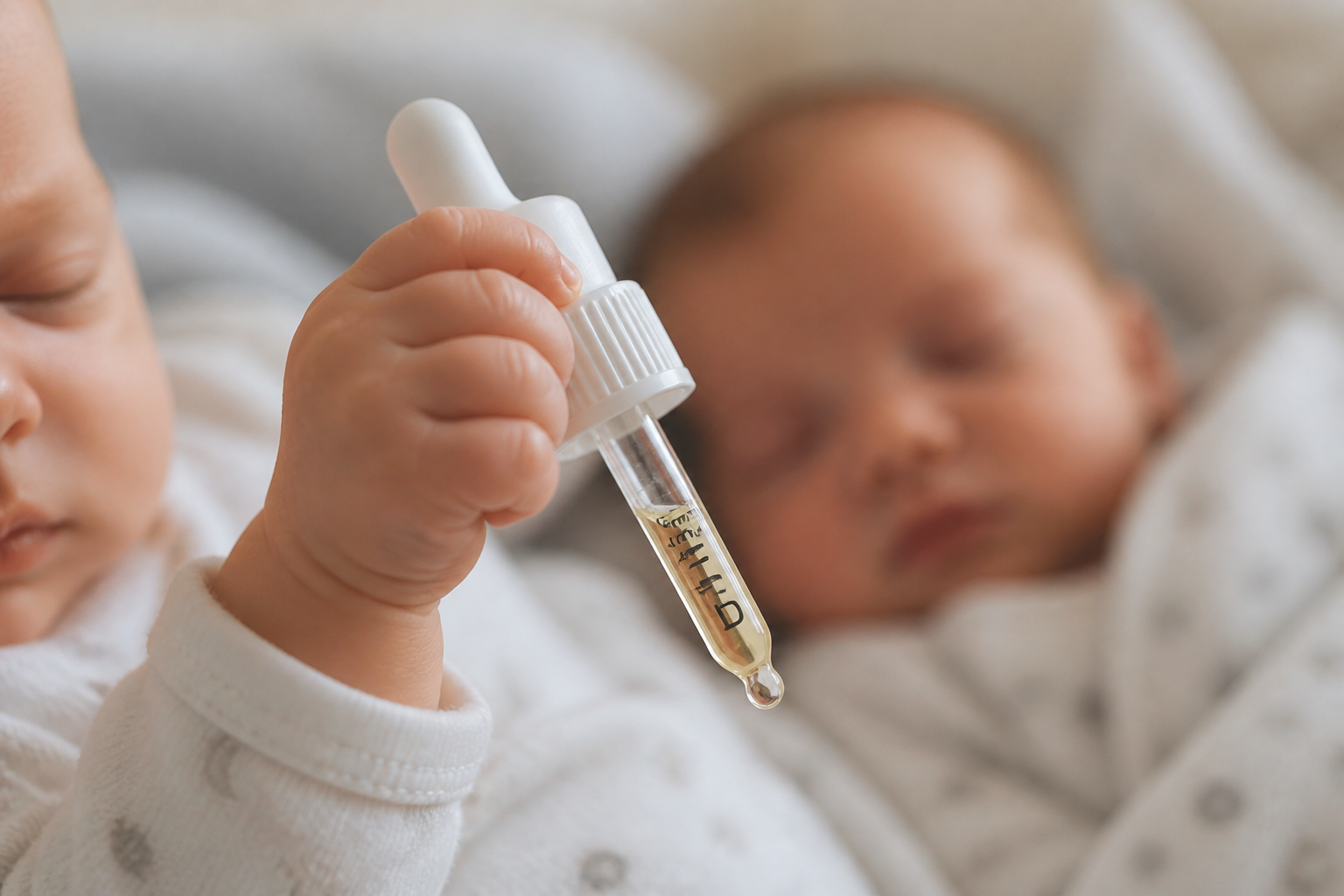
Twin Baby Vitamins: The Hidden Deficiency Crisis That’s Affecting 73% of Multiples
When Emma brought her 8-month-old twins, Sophia and Michael, to my clinic for their routine check-up, she was exhausted and worried. “Dr. Sarah, Sophia seems so much more tired than Michael, and she’s getting sick constantly. Are twin babies supposed to be this different?” What Emma didn’t know was that her twins were likely experiencing the silent epidemic I see daily in my practice: twin baby vitamins deficiencies, particularly vitamin D and iron, that affect nearly three-quarters of multiple births.
Twin pregnancies place extraordinary nutritional demands on developing babies, often leading to depleted maternal stores and subsequent deficiencies in newborns. These deficiencies don’t always present obviously, making them easy to miss during those chaotic early months.
The Twin Deficiency Timeline: Why Multiples Are at Higher Risk
Multiple pregnancies create a perfect storm for nutritional deficiencies. Two babies competing for the same maternal resources means each twin receives proportionally less of critical nutrients during the most important developmental windows.
Iron deficiency in twins typically emerges between 4-6 months when birth stores deplete. Vitamin D deficiency, however, can be present from birth, especially in winter babies or families with limited sun exposure.
The Clinical Picture: Recognizing Deficiency Signs
Iron deficiency presents subtly at first. You might notice one twin seems more irritable, has pale nail beds, or shows decreased appetite compared to their sibling. Vitamin D deficiency is even more insidious—delayed tooth eruption, increased respiratory infections, or unusual fussiness during feeding.
The challenge with twin baby vitamins assessment is that parents often attribute differences between twins to normal individual variation rather than nutritional gaps.
Laboratory Markers vs. Clinical Reality
| Nutrient | Optimal Range (Twins) | Deficiency Threshold | Clinical Impact |
|---|---|---|---|
| Iron (Ferritin) | 15-50 ng/mL | <12 ng/mL | Fatigue, delayed motor development |
| Vitamin D (25-OH) | 30-50 ng/mL | <20 ng/mL | Immune dysfunction, bone issues |
| Hemoglobin | 11.0-14.0 g/dL | <10.5 g/dL | Anemia, growth delays |
Evidence-Based Supplementation Strategies
Current 2026 guidelines recommend proactive supplementation for twins rather than waiting for deficiencies to develop. The approach differs significantly from singleton recommendations.
For iron, I typically recommend starting supplementation at 4 months for term twins, earlier for preterm multiples. The key is using elemental iron calculations—many parents accidentally under-dose because they don’t understand the difference between total iron and elemental iron content.
Vitamin D supplementation should begin immediately after birth. The standard 400 IU recommendation for singletons is insufficient for twins in my clinical experience. I often recommend 600-800 IU daily for exclusively breastfed twins, adjusting based on maternal vitamin D status.
The Sibling Variation Challenge
One of the most perplexing aspects of twin baby vitamins management is that twins can have dramatically different needs despite identical prenatal conditions. I’ve seen cases where one twin develops iron deficiency anemia while their sibling maintains normal levels on identical nutrition.
This variation stems from multiple factors: birth weight differences, varying efficiency of nutrient absorption, different growth rates, and even positioning during pregnancy affecting nutrient delivery.
When managing feeding twins toddlers who show different appetites and preferences, these early nutritional differences often become more pronounced, requiring individualized supplementation strategies.
Bioavailability Optimization
Simply providing supplements isn’t enough—absorption matters tremendously. Iron absorption increases dramatically when paired with vitamin C and decreases when given with dairy products or calcium supplements.
Timing becomes crucial with twins. Space iron supplements at least 2 hours from calcium-rich feeds. For breastfeeding mothers, taking iron supplements between feeds rather than with meals can improve absorption.
Twin Tactics: Pro-Level Shortcuts
– Use separate pill organizers for each twin – Even identical twins may need different supplement schedules. Label clearly with names and track compliance separately.
– Leverage the “iron window” – Give iron supplements with a small amount of orange juice or strawberries between 10 AM-2 PM when absorption peaks naturally.
– Monitor the “pale palm test” weekly – Press on each twin’s palm pad. If it remains pale after releasing pressure, suspect iron deficiency before waiting for lab results.
– Create a “sun log” for vitamin D – Track actual sun exposure time for each twin (they may have different nap schedules). Less than 15 minutes daily warrants increased supplementation.
– Use growth velocity differences as early warning – If one twin’s growth curve starts diverging downward, check micronutrient status immediately rather than waiting for other symptoms.
Long-term Implications and Monitoring
Untreated vitamin D and iron deficiencies in infancy create lasting impacts. Iron deficiency during the first two years affects cognitive development in ways that may not be fully reversible even after correction.
Regular monitoring becomes essential. I recommend labs at 6, 12, and 18 months for twins, more frequently than singleton schedules. The investment in early detection prevents more serious complications later.
Parents often ask about “catching up” after identifying deficiencies. While levels can normalize relatively quickly with appropriate twin baby vitamins supplementation, the developmental windows for optimal brain and immune system development are narrow.
The goal isn’t just treating deficiency—it’s preventing the cascade of complications that stem from inadequate nutrition during critical growth periods.
The Pediatrician’s Medical Survival Tip
Keep a weekly “twin comparison photo” focusing on nail beds, eye brightness, and skin tone. Subtle changes in coloring often precede lab-detectable deficiencies by 2-3 weeks, allowing for earlier intervention.
Stay healthy, Dr. Sarah