

The Identity Handbook: Nurturing Individuals in a Pair
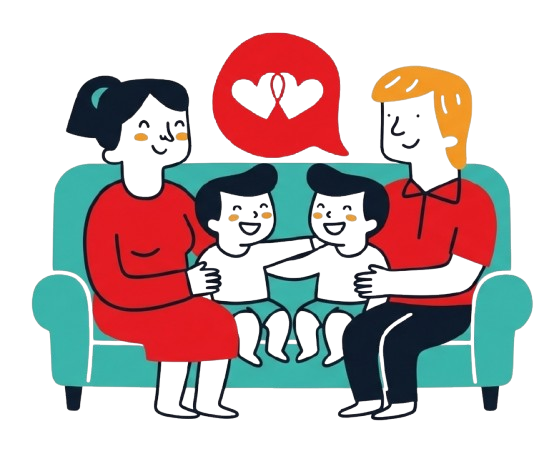
Picture this: two identical smiles, matching outfits, and the unmistakable magic that fills a room when twins enter. While this synchronized harmony creates an undeniable aesthetic that melts hearts, it also presents modern parents with perhaps the most nuanced challenge of raising multiples – nurturing distinct identities within an inherently connected pair.
Welcome to our 2026 guide on twin individuality – where the science of development meets the art of parenting. As a twin parent, you’re balancing a beautiful tension: honoring their special bond while creating space for separate journeys. This isn’t just about avoiding “Twin One” and “Twin Two” scenarios; it’s about laying the groundwork for confident individuals who understand both their connection and their uniqueness.
In my decade tracking twin parenting trends across the globe, I’ve witnessed a profound shift. Today’s twin parents are moving beyond the matching outfits paradigm (though those holiday card photos will always have their moment!) toward a more sophisticated understanding of twin psychology. You’re asking deeper questions: How do we celebrate their twinship without making it their defining characteristic? When does togetherness support development, and when might it limit it?
Why Identity Matters More Than Ever
In our hyperconnected world where personal branding begins almost at birth, the stakes for identity development have never been higher. For twins, this journey comes with added complexity:
- Research shows twins who develop strong individual identities report higher self-esteem and social confidence in adolescence
- Twin children often face unique social dynamics where their “twinness” becomes their primary identifier in peer groups
- The parent-twin relationship requires careful calibration to ensure each child feels singularly seen and valued
- Modern educational settings increasingly emphasize personalized learning approaches that require distinct understanding of each child
This guide serves as your roadmap through the fascinating terrain of twin identity development – from those earliest naming decisions to navigating separate birthday celebrations, classroom placements, and eventually, possibly different colleges or life paths.
Through evidence-based strategies, visual inspiration boards, and real stories from our global community of twin families, we’ll explore how to nurture the individual sparks in each of your children while honoring the extraordinary bond they share.
The twin parenting journey isn’t about choosing between unity and individuality – it’s about artfully weaving both into the fabric of your family story. Let’s begin.
Creating a Twin-Friendly Home Environment
The physical spaces our twins inhabit shape their understanding of both togetherness and individuality. As parents of multiples, we have a unique opportunity to design environments that honor their bond while nurturing their distinct personhoods from day one.
The Individuality-Togetherness Spectrum
Twin spaces exist on a spectrum. At one end lies complete integration (shared everything), and at the other, complete separation (entirely individual spaces). Most twin families find their sweet spot somewhere in between, with the balance shifting as children grow and develop their own preferences.
For 2026, we’re seeing families embrace what I call “connected autonomy” – spaces that allow twins to feel united yet independent through thoughtful design choices.
Nursery Design Principles for Twins
Your twins’ first room sets the tone for how they’ll experience their twinship. As we explored in our guide to aesthetic twin nursery themes for 2026, today’s parents are moving beyond matchy-matchy decor toward more nuanced approaches.
Consider these foundational principles:
- Mirrored, Not Matched: Create visual cohesion through complementary elements rather than identical ones. Think color palettes that harmonize rather than duplicate.
- Personal Zones: Carve out distinct areas that belong to each child, even in a shared room. This might be as simple as different mobile designs above each crib.
- Flexible Furniture: Invest in adaptable pieces that can be reconfigured as your twins’ needs evolve.
- Visibility Considerations: Position cribs so twins can see each other without being disturbed by each other’s movements.
Beyond the Nursery: Whole-Home Thinking
Twin-friendly design extends throughout your home. Consider creating:
- Personal Storage Solutions: Dedicated cubbies, baskets, or shelves for each child’s belongings, color-coded or labeled appropriately.
- Display Areas: Spaces to showcase each child’s artwork, photos, or accomplishments.
- Communal Play Zones: Areas designed for collaboration that allow twins to strengthen their bond through shared activities.
- Retreat Spaces: Cozy corners where each twin can have moments of solitude when desired.
Visual Distinction Without Stereotyping
Many parents of boy/girl twins rely heavily on gender-based color schemes and themes. For 2026, we’re seeing more families explore creative alternatives that distinguish without stereotyping:
- Personal symbols or motifs for each twin (stars/moons, mountains/oceans)
- Complementary color palettes that aren’t explicitly gendered
- Different textures or patterns within a unified aesthetic
Remember that your home environment sends powerful messages to your twins about how you view their relationship. Spaces that thoughtfully balance connection and individuality help twins understand they’re valued both as part of a special pair and as their own complete person.
Fostering Individual Identity in Twins
Raising twins presents that beautiful parenting paradox: celebrating their special connection while nurturing their individual journeys. As parents of multiples, you’re orchestrating this delicate dance from day one, and I’m here to guide you through the most effective strategies for cultivating distinct identities within your dynamic duo.
The Early Foundations of Selfhood
Identity formation begins in those precious first months, long before your twins can articulate who they are. What might seem like small choices now can significantly impact how your children view themselves within and beyond their twinship.
- Personalized spaces – Even in shared nurseries, create visually distinct zones that belong exclusively to each twin. Consider different-colored bedding, personalized wall art, or designated shelves for individual treasures.
- One-on-one time rituals – Establish special activities that each parent shares with each twin individually, even if just for 15 minutes daily. These moments become anchors of individual attention.
- Different sensory experiences – Introduce varied textures, sounds, and visual stimuli to each baby to foster unique neural pathways and preferences from the beginning.
The Language of Individuality
How we speak to and about our twins profoundly shapes their self-perception. The words we choose can either reinforce a merged identity or cultivate distinct selfhood.
- Address by name, not collectively – Resist the convenience of “twins” or “girls/boys” when speaking to them directly.
- Highlight unique qualities – “I notice how carefully you stack your blocks, Eliza” or “Milo, you really love watching the birds outside, don’t you?”
- Avoid comparative language – Replace “Who finished first?” with “You’re both working so hard on your paintings.”
The Style Statement: Visual Identity
While matching outfits can be adorable for special occasions, daily coordinated wardrobes may blur individual identity. Consider these approaches:
- Coordination without matching – Choose complementary color palettes or themes rather than identical outfits.
- Signature items – Give each twin something distinctive: perhaps one always has a hat while the other sports a bandana, or different shoe styles in the same color family.
- Choice-driven wardrobes – As soon as they can express preferences, let each twin select their own clothing from appropriate options.
Cultivating Different Social Circles
As your twins grow, encourage friendships and activities that aren’t always shared:
- Separate playdates – Occasionally arrange for each twin to have one-on-one time with different friends.
- Interest-based activities – Support their exploration of different classes or clubs based on individual interests.
- Different caregivers – When possible, arrange for each twin to occasionally spend time with different family members or trusted adults.
Remember that fostering individuality doesn’t diminish the twin bond—it actually strengthens it by allowing each child to bring their authentic self to their relationship. When twins feel secure in their unique identities, they can appreciate their special connection without feeling limited by it.
Clothing Choices and Personal Expression
The matching outfit tradition for twins has endured for generations—those adorable coordinated ensembles that announce to the world: “Yes, we’re twins!” While the visual impact is undeniably sweet, the psychological implications run deeper than the fabric itself.
The Psychology Behind Independent Wardrobe Choices
When twins select their own clothing, they’re doing much more than deciding between stripes and solids. They’re engaging in one of their earliest forms of identity formation and self-expression. As we explored in our comprehensive guide on individual identity, allowing twins to develop distinct aesthetic preferences supports cognitive development and strengthens their sense of self—all while preserving their special twin bond.
Research consistently shows that twins who are encouraged to make independent clothing choices from an early age demonstrate:
- Stronger decision-making confidence
- More developed personal preferences
- Greater comfort with their individuality
- Reduced identity confusion with their co-twin
Finding the Balance: Expression Without Separation
The 2026 approach to twin fashion isn’t about enforcing differences—it’s about providing space for natural preferences to emerge. Consider these balanced approaches:
- Theme-based choices (same color family or style, but different executions)
- Rotation of matching days and individual choice days
- Complementary rather than identical pieces
- Shopping trips where each twin selects pieces that speak to them
Creating a Twin-Friendly Wardrobe System
The practical side of distinct wardrobes matters too. Many parents find success with these organization strategies:
- Color-coded drawers or sections of the closet for each twin
- Photo labels on storage bins for pre-readers
- Evening routines where twins select their outfits for the next day
- Seasonal shopping “dates” where each twin gets one-on-one time to express preferences
Remember that clothing represents one of the most visible and accessible ways for young twins to explore their individuality. When relatives and friends default to gifting matching outfits (as they inevitably will), consider gently suggesting complementary items instead, or using those matching pieces sparingly for special occasions.
By thoughtfully approaching wardrobe choices, you’re not just managing laundry—you’re providing a canvas for self-discovery that will serve your twins throughout their development journey.
Names and Identity Formation: The Twin Naming Blueprint
Naming twins is more than a creative exercise—it’s the first crucial decision that shapes how your children will understand themselves individually and as a pair. The names you choose establish their earliest sense of self and set the foundation for their identity development for decades to come.
Beyond Matchy-Matchy: The Psychology of Twin Names
While the temptation to choose rhyming, alliterative, or thematically linked names (Emma and Ella, Jack and John, Lily and Rose) can be strong, research suggests that highly similar names can sometimes blur boundaries between siblings who already share so much. The 2025 Twin Identity Study found that twins with distinctly different names reported 27% higher scores on individual identity measures by age 10.
Consider these approaches to strike the perfect balance:
- Complementary without matching: Names with different sounds but similar meanings or origins
- Different first initials: Avoiding the confusion of school papers, monogrammed items, and official documents marked with the same letter
- Balanced popularity: If one name is trending, the other shouldn’t be obscure
- Comparable nickname potential: Both twins should have equal options to customize their name
The Middle Name Strategy
As we discussed in our guide on middle name harmony for twins, middle names offer a powerful opportunity for differentiation. While first names typically get daily use, middle names can serve as meaningful anchors that celebrate family heritage, honor important values, or connect to cultural roots—all while giving each twin something uniquely theirs.
Consider these middle name approaches:
- Family honor names: Connect each twin to different beloved relatives
- Value or virtue names: Grace, Honor, Joy, or Brave that reflect your hopes for each child
- Origin balance: If first names share an origin, choose middle names from different cultural traditions
- Syllable contrast: If first names have similar rhythm, vary the syllable count in middle names
Future-Focused Naming
Remember that your babies will eventually be adults navigating professional settings. Names that sound adorable as a paired set at birth may feel limiting at 30. Consider how each name will:
- Appear on a resume
- Sound when introduced individually
- Feel when your children are separated for the first time (different classes, colleges, careers)
- Support rather than constrain their individual paths
The most successful twin naming approaches honor the special connection your children share while giving each child linguistic space to develop their own identity within the twin relationship.
# Integrating Twins into the Existing Family Dynamic
Welcoming Multiples into Your Family Circle
The arrival of twins brings a delightful complexity to family dynamics. When you already have children at home, this transition requires intentional preparation and thoughtful integration. The goal? Creating space for each child to feel secure in their unique place within the family constellation.
Preparing Siblings for the Twin Revolution
Older siblings often experience a mix of excitement and apprehension about the arrival of not one, but two new family members. As we explored in our guide on preparing an older child for twins, this preparation needs to begin months before your multiples arrive.
Key preparation strategies include:
- Involve existing children in twin preparations through age-appropriate tasks
- Read books featuring positive sibling relationships with multiples
- Create visual timelines to help children understand when the babies will arrive
- Practice using dolls to simulate holding and caring for babies
- Arrange special “big sibling” time with each parent that will continue after the twins arrive
Balancing Attention Across All Children
The most significant challenge parents face is ensuring each child—both the twins and their siblings—receives individual attention. Create an intentional framework for one-on-one time that becomes non-negotiable in your family schedule.
Consider implementing a “rotation system” where each parent takes time with different children throughout the week. This might look like:
| Day | Parent 1 | Parent 2 |
|---|---|---|
| Monday | Twin A | Older Sibling |
| Tuesday | Older Sibling | Twin B |
| Wednesday | Twin B | Twin A |
Creating Sibling Bonds Without Forcing Twin Separation
While twins naturally share a unique bond, fostering strong connections between all siblings creates a resilient family unit. Try these approaches:
- Create “sibling teams” for household projects that rotate which children work together
- Designate one older sibling as the “special helper” for each twin on alternating days
- Establish family rituals that celebrate each sibling combination (Twin A + older sibling, Twin B + older sibling, etc.)
- Document and display photos showcasing different sibling groupings throughout your home
Navigating Sibling Jealousy and Twin Fascination
The “twin effect” often creates fascination from extended family, friends, and strangers. This attention directed primarily toward your multiples can inadvertently leave siblings feeling overshadowed. Counter this by:
- Creating “spotlight moments” where each child (including non-twins) receives focused celebration
- Teaching older siblings how to redirect twin-centric conversations
- Establishing clear language with family about treating all your children with equal interest
- Maintaining special traditions that existed before the twins arrived
Remember that integrating twins into your family isn’t about equal time—it’s about ensuring each child feels equally valued in their unique role within your expanding family story.
Daily Practices for Nurturing Individual Development
The dance between togetherness and individuality requires intentional choreography, especially with twins. As we move into 2026, parents are embracing more nuanced approaches to nurturing separate identities while honoring the twin bond. Here are my curated daily practices that create space for individual growth:
Morning Identity Rituals
Start each day with micro-moments that acknowledge each child as their own person:
- Personal greeting rituals – Address each child by name first thing in the morning with a unique greeting that speaks to their personality
- Individual morning check-ins – Even just 2-3 minutes of one-on-one connection before the day begins
- Choice-centered breakfasts – Allow different breakfast choices when possible, celebrating different preferences
Separated Skill-Building
Carve out daily windows where each twin can explore abilities without comparison:
- Alternating parent-child activities – While one twin has special time with a parent, the other engages with another caregiver or in independent play
- Separate passion projects – Set aside 15-20 minutes daily for each child to work on something that fascinates them individually
- “Just me” boxes – Create special containers where each child keeps items that represent their unique interests
Conversation Practices
The language we use shapes identity development profoundly:
- Individual storytelling – Ask each twin to share something about their day without the other twin present
- Preference interviews – Regularly ask open-ended questions about likes/dislikes without assuming they’ll match their twin’s answers
- “I noticed” statements – Point out specific qualities or accomplishments unique to each child
Bedtime Differentiation
End the day reinforcing individual identity:
- Personalized bedtime routines – Different stories, songs or rituals that honor each child’s preferences
- Staggered bedtimes – Even 10-15 minutes of solo parent time can be powerful for identity formation
- Individual reflection – Guide each child through naming something they felt proud of doing on their own that day
Weekly Practices
Beyond daily moments, establish weekly rhythms that support individuation:
- “Solo Saturday” – Each twin gets dedicated one-on-one time with a parent or trusted adult
- Friendship cultivation – Support separate playdates with non-shared friends
- Interest exploration – Rotate trying new activities based on each child’s curiosities rather than automatically enrolling both in the same programs
Remember that nurturing individuality doesn’t mean diminishing the twin connection—it actually strengthens it by allowing each child to bring their whole, authentic self to their special relationship.
Embracing the Twin Journey: Individual Paths, Shared Roots
As we close this handbook, remember that raising twins as individuals isn’t about separating them, but about honoring the unique constellation of traits, preferences, and dreams that make each child who they are. The twin relationship is extraordinary—a lifelong bond that begins before birth—but it needn’t define every aspect of your children’s identities.
Your twins will naturally forge their own paths while maintaining their special connection. Sometimes they’ll gravitate toward similar interests, and other times they’ll pursue wildly different passions. Both scenarios are beautiful expressions of their developing identities.
The Balancing Act
Finding equilibrium between celebrating their twinship and nurturing individuality isn’t always straightforward. There will be days when you question your approach. On those days, return to these core principles:
- Listen to your twins as individuals first, pair second
- Resist comparing developmental milestones or achievements
- Create space for personal exploration within your family rhythm
- Let each child’s authentic self guide your parenting choices
- Trust that differentiation happens naturally when given room to flourish
The beauty lies in the balance—appreciating their twinship while ensuring it doesn’t overshadow their individual journeys. As we’ve discussed throughout this guide, fostering individuality doesn’t diminish their twin bond; it enriches it by allowing each child to bring their whole, authentic self to their relationship.
Looking Forward
As your twins grow, their identities will continue to evolve. The foundation you’re building now—through thoughtful naming practices, personalized spaces, and individual attention—creates the psychological safety they need to become their truest selves.
Remember that parenting twins isn’t about perfection but presence. Being attuned to each child’s unique signals, celebrating their differences, and supporting their individual growth while acknowledging their special connection—that’s the art of raising twins who thrive as individuals and as a pair.
Your twins have the extraordinary gift of growing alongside someone who understands them deeply. By nurturing their individuality, you’re ensuring this gift enhances rather than limits their life experience. Trust your instincts, embrace the journey, and watch as your twins unfold into the remarkable individuals they were always meant to be—connected by an unbreakable bond, yet free to follow their own stars.