

Twin History and Myths: Ancient Stories That Shape Modern Identity
Picture this: You’re scrolling through Instagram, admiring perfectly curated twin nurseries with matching celestial themes, when you realize you’re unconsciously drawn to names like Apollo and Artemis. That pull you feel? It’s the echo of thousands of years of twin mythology whispering through modern aesthetics.
The fascination with twin history and myths runs deeper than trending hashtags or viral TikTok videos. These ancient narratives have been shaping how we perceive, name, and celebrate twins for millennia—and they’re having a major renaissance in 2026’s naming landscape.
The Divine Duality: How Ancient Cultures Viewed Twins
From the golden temples of Greece to the bustling markets of ancient Rome, twins weren’t just biological curiosities—they were walking mysteries that demanded explanation. Most cultures saw them as either blessed harbingers or dangerous omens. There was rarely middle ground.
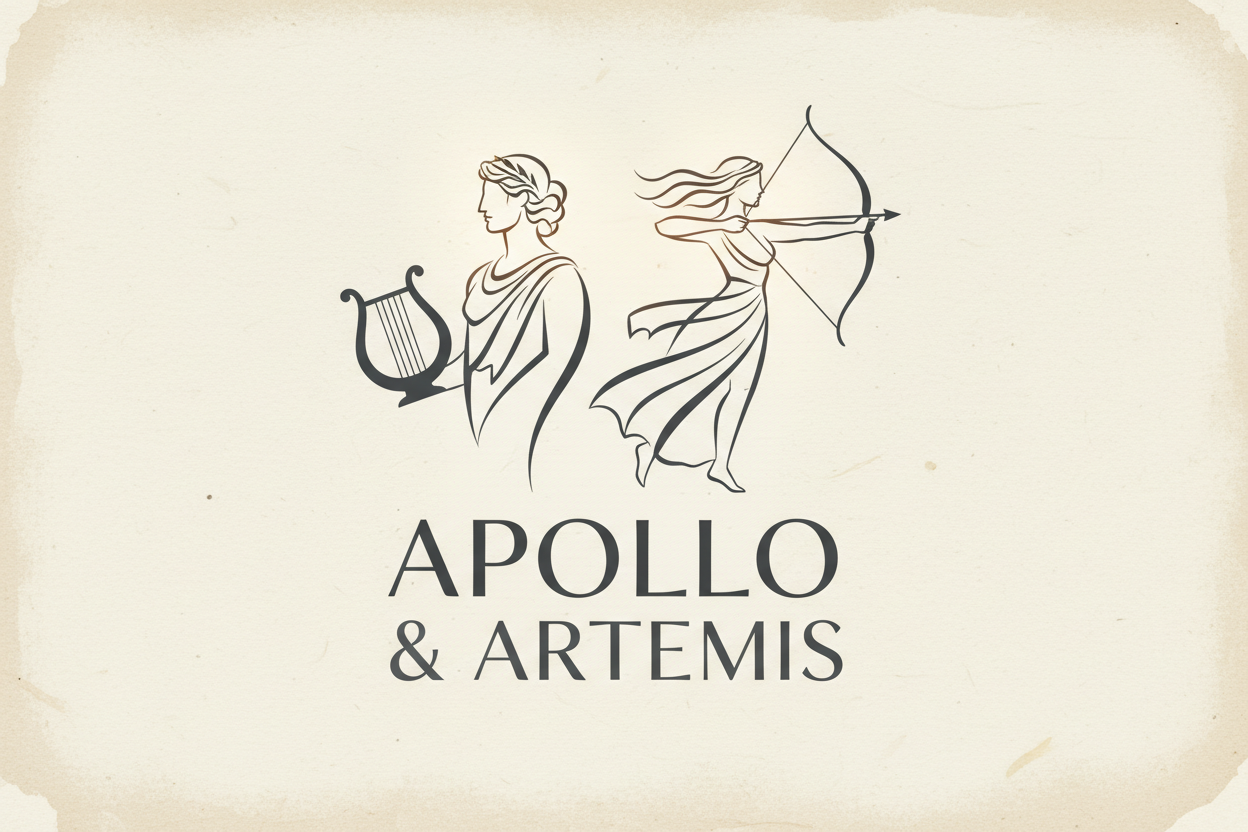
The Greeks gave us some of the most enduring twin mythology. Castor and Pollux, the Gemini twins, became the patron saints of sailors and protectors against shipwrecks. Apollo and Artemis represented the sun and moon, forever chasing each other across the sky. These weren’t just bedtime stories—they were foundational beliefs that influenced everything from architecture to agriculture.
Norse mythology brought us Freyr and Freyja, fertility deities whose names are experiencing a surge in modern twin naming trends. Egyptian mythology honored the concept through Isis and Nephthys, protective sister goddesses who watched over the dead and the living.
But here’s where it gets interesting for modern parents: these myths weren’t random. They reflected each culture’s deepest anxieties and hopes about duality, balance, and cosmic order.
The Dark Side: When Twin History Turned Deadly
Not every culture celebrated twins. In some African traditions, twins were considered supernatural beings who brought either extraordinary luck or devastating misfortune. The Yoruba people of Nigeria developed elaborate rituals around twin births, creating the famous Ibeji sculptures that still influence contemporary African art.
Ancient Sparta had a practical approach—they believed one twin was always mortal while the other possessed divine heritage. This belief system created complex inheritance laws that lasted for centuries.
In medieval Europe, twin births often sparked accusations of infidelity. The logic was brutally simple: one father, one child. Two children meant two fathers, which meant adultery. This led to some of the darkest chapters in twin history and myths, with devastating consequences for families.
Power Players: Twins Who Shaped Civilizations
| Mythological Twins | Cultural Origin | Powers/Domains | Modern Naming Influence |
|---|---|---|---|
| Romulus & Remus | Roman | Founded Rome, raised by wolves | Strong, leadership-themed names |
| Hunahpu & Xbalanque | Mayan | Hero twins, defeated death gods | Unique, mystical-sounding names |
| Ashvins | Hindu/Vedic | Healing, dawn, divine physicians | Sanskrit-origin wellness names |
| Sun & Moon | Native American | Day/night cycle, balance | Celestial and nature-based names |
The Roman foundation myth centers entirely on twin brothers Romulus and Remus. According to legend, these abandoned infants were nursed by a she-wolf and grew up to establish one of history’s greatest empires. The story became so embedded in Roman identity that twin births were considered omens of future greatness.
Mayan mythology gave us the Hero Twins, Hunahpu and Xbalanque, whose adventures in the underworld became central to understanding life, death, and rebirth. Their names are experiencing a quiet revival among parents seeking culturally rich, non-European options.
Modern Echoes: How Ancient Myths Shape 2026 Naming Trends
Today’s parents aren’t just choosing names—they’re curating identities. The influence of twin history and myths appears everywhere from nursery themes to social media aesthetics. Celestial names like Luna and Sol are experiencing massive popularity, directly tracing back to ancient sun and moon mythologies.
The wellness movement has sparked renewed interest in the Hindu Ashvins, divine healing twins whose story emphasizes balance and restoration. Names with Sanskrit origins are trending upward, especially among health-conscious millennials and Gen Z parents.
Even the rise of gender-neutral naming connects to ancient traditions. Many cultures saw twins as representing perfect balance between masculine and feminine energies, leading to complementary rather than matching names.
The Psychology Behind Mythological Appeal
Why do these ancient stories still resonate? Child psychologists suggest that twin mythology helps parents process their own feelings about raising multiples. The dual nature themes—light/dark, order/chaos, mortal/divine—mirror the real challenges and joys of twin parenting.
Dr. Elena Rodriguez, a cultural anthropologist specializing in naming patterns, notes that mythological names provide “narrative scaffolding” for children’s identity development. When you name your twins after legendary pairs, you’re giving them a story framework that extends far beyond your family tree.
The aesthetic appeal can’t be ignored either. Mythological names photograph beautifully for social media, they sound sophisticated at dinner parties, and they offer rich nickname possibilities as children grow.
Twin Tactics: Pro-Level Shortcuts
- Research the full myth before committing: Some legendary twin stories involve betrayal, death, or conflict—make sure you’re comfortable with the complete narrative.
- Consider pronunciation in your region: Beautiful mythological names can become playground nightmares if they’re consistently mispronounced.
- Check modern associations: Some ancient names have acquired new meanings through pop culture, brands, or contemporary events.
- Balance uniqueness with usability: Mythological names should feel special without requiring a dissertation to explain every introduction.
- Think about sibling symmetry: If you choose one deeply mythological name, the twin’s name should carry similar weight and cultural significance.
The Future of Mythological Naming
As we move deeper into the digital age, parents are increasingly drawn to names with rich backstories and cultural depth. The rise of genealogy apps and cultural pride movements means families are exploring mythologies from their own heritage rather than defaulting to Greek and Roman classics.
Expect to see more Aztec, Celtic, Aboriginal, and Polynesian mythological names entering mainstream consciousness. The key is finding the sweet spot between honoring ancient wisdom and creating contemporary identity.
The twin history and myths that once determined life and death now influence Pinterest boards and baby announcements. But the underlying human fascination remains unchanged—we still see something magical, mysterious, and powerful in the phenomenon of twins.
The Modern Naming & Lifestyle Trend.
When choosing mythological twin names, always research both the individual meanings AND the relationship dynamics between the mythological figures—you’re not just naming children, you’re invoking an eternal story.
With love and light, Amara